
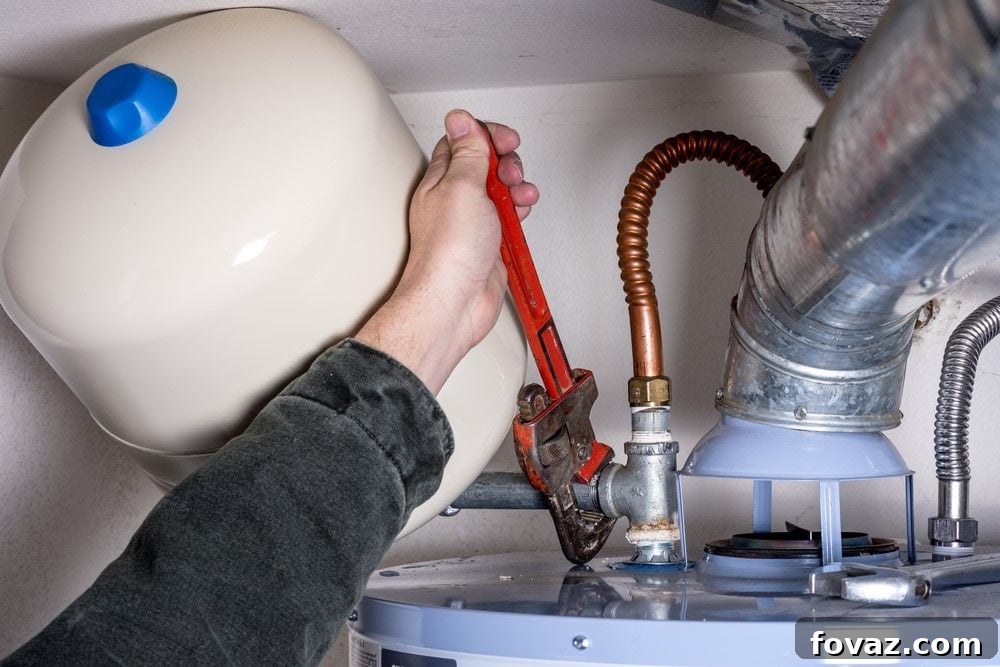
Ultimate Guide to Water Heater Tune-Ups: Maximize Efficiency and Save Money This Winter
Are you looking for effective water heater tune-up tricks to significantly reduce your energy bills this winter? You’ve come to the right place! This comprehensive guide will equip you with essential tips and maintenance strategies to boost your water heater’s efficiency, extend its lifespan, and ensure a consistent supply of hot water, all while keeping your utility costs in check.
RELATED: 10 Home Appliance Maintenance Tips And Tricks You Must Know (INFOGRAPHIC)
Water Heater Tune-Up Tricks: Keeping Hot Water Flowing Reliably
Ensuring an Efficient Water Heater for Significant Bill Savings
In countless households, the water heater is an indispensable appliance, relied upon daily for everything from showers and laundry to cooking and cleaning. This constant demand can lead to surprisingly high energy consumption, especially during the colder months when hot water usage typically increases. Proactive water heater maintenance isn’t just about preventing costly breakdowns; it’s a strategic investment in your home’s energy efficiency and your long-term financial well-being. By performing regular tune-up tasks, you can avoid unexpected repair expenses, optimize your system’s performance, and ensure a steady supply of hot water for many years to come.
Dive into these invaluable water heater tune-up tips designed to help you save energy and money, making your home more comfortable and efficient throughout the winter season and beyond!
1. Know and Maintain Clear Access to Your Water Heater
One of the most fundamental yet often overlooked aspects of water heater maintenance is ensuring easy and clear access to the unit. Whether your water heater is tucked away in a basement, garage, utility closet, or attic, knowing its exact location is crucial. More importantly, it’s vital to ensure there’s unobstructed access around it. This clear pathway allows for routine inspections, maintenance tasks, and swift action in case of an emergency. If your system is difficult to reach, essential upkeep might be neglected, leading to potential issues down the line. Regularly check that the area isn’t cluttered with storage, making it difficult for you or a professional to safely service the unit.
2. Give Your Water Heater Ample Space
Beyond just knowing its location, it’s critical to provide your water heater with adequate clearance. A general rule of thumb is to maintain at least two feet of clear space around the entire unit. This is particularly important for gas water heaters, which require a consistent supply of oxygen for proper combustion. Insufficient airflow can significantly hinder the unit’s efficiency, leading to incomplete combustion, higher energy usage, and even potential damage to critical components like the burner chamber. Furthermore, as a heat-producing appliance, your water heater should always be kept away from any combustible materials to minimize fire hazards and ensure the safety of your home.
3. Get to Know Your Water Heater’s Specifics
Understanding the fundamental characteristics of your water heater is paramount for effective maintenance and troubleshooting. Take the time to identify the type of heater you own—whether it’s powered by natural gas, propane, or electricity. Also, determine if it’s a traditional storage tank model or a modern tankless (on-demand) system, as each type has unique maintenance requirements. Crucially, locate and record important identification details such as the model number, serial number, age, and gallon capacity. This information is invaluable for warranty purposes, ordering replacement parts, or providing accurate details to a repair technician, ensuring efficient service when you need it most. Having these details readily available can save you time and potential headaches.
4. Control and Optimize Your Water Heater’s Temperature Setting
Setting the correct temperature for your water heater is a simple yet highly effective way to save energy and enhance safety. Most plumbing professionals and energy experts recommend a temperature setting of 120 degrees Fahrenheit (approximately 49 degrees Celsius). While it might seem tempting to set it higher for hotter water, increasing the temperature above 120 degrees can significantly decrease the unit’s energy efficiency, leading to higher electricity or gas consumption. More importantly, higher temperatures dramatically increase the risk of scalding, especially for children, the elderly, or those with sensitive skin. A 120-degree setting is generally considered the optimal balance between comfort, energy savings, and safety.
5. Periodically Check Your Water Heater’s Thermostat
The thermostat is the brain of your water heating system, meticulously regulating the transmission of energy to the heating elements to produce and maintain hot water. If this crucial component malfunctions, it can directly impact the availability and temperature of your hot water, often leading to insufficient heating or inconsistent water temperatures. Signs of a faulty thermostat might include lukewarm water, water that’s too hot, or frequent cycling of the heating element. Should you suspect a problem, the thermostat may need to be recalibrated by a professional or, in some cases, replaced entirely to restore proper function and efficiency to your system.
6. Drain Your Water Heater to Eliminate Sediment Buildup
One of the most critical and often neglected maintenance tasks is regularly draining your water heater tank. Over time, mineral sediments—primarily calcium and magnesium—from your water supply accumulate at the bottom of the tank. This layer of sediment acts as an insulator, forcing the heating element (gas or electric) to work harder and longer to heat the water above it. This reduced efficiency translates directly into higher energy bills and can also lead to premature wear and tear on the heating element itself, potentially shortening the lifespan of your unit. Moreover, excessive sediment can create banging noises within the tank and even clog pipes, impeding proper operation. A simple annual flush and drain will remove these harmful deposits, allowing fresh, clean water to circulate efficiently and ensuring your system operates at peak performance.
7. Know How to Turn Off the Water and Power Supply in an Emergency
Being prepared for a water heater emergency can prevent significant damage and stress. It is absolutely vital that every adult in your household knows how to quickly and safely turn off both the main water supply to your home and the electrical or gas power supply to the water heater. Locate the shut-off valve on the cold-water inlet pipe (usually above the heater) and familiarize yourself with your home’s circuit breaker panel or gas shut-off valve. Ensure that the correct circuit breaker or gas line is clearly labeled for your water heater. In the event of a leak or other malfunction, cutting off the supply immediately can make all the difference, minimizing water damage and preventing potential electrical or gas hazards until professional help arrives.
8. Inspect and Tighten All Electric Power Connections
For electric water heaters, compromised electrical connections can lead to reduced performance or a complete lack of hot water. If your unit isn’t producing hot water, carefully (and only if you are comfortable and knowledgeable about electrical work) inspect all electric power connections. Using a handheld voltmeter can help confirm proper voltage and identify loose connections. Tightening any loose connections can often resolve the issue. However, if you detect no power or suspect a faulty component, it might indicate a more serious electrical problem requiring professional attention. Working with electricity carries inherent risks, so if you’re not confident in your abilities, always enlist the help of a qualified electrician or plumber to ensure safety and correct diagnosis.
9. Install Hot Water Pipe Insulation
Insulating the hot water pipes leading to and from your water heater is a simple, cost-effective DIY project that yields immediate benefits. By wrapping the first few feet of both the hot and cold water pipes connected to the heater with foam insulation sleeves, you significantly reduce heat loss as hot water travels through the pipes. This means less energy is wasted, and hot water arrives at your faucet faster and at a more consistent temperature. It’s an inexpensive upgrade that contributes to higher hot water volume and lower energy consumption, making your system more efficient without extensive effort.
RELATED: 19 DIY Projects For Home Improvement On A Budget
10. Install Hot Water Tank Insulation
If your water heater tank feels warm to the touch, it’s a clear indication that valuable heat is escaping, leading to wasted energy and higher utility bills. Installing an insulation blanket or wrap around your water heater tank is an incredibly effective way to minimize standby heat loss, especially for older models or those located in unheated areas like basements or garages. This additional layer of insulation helps maintain the water temperature inside the tank for longer, reducing the frequency with which the heating element needs to activate. The initial cost of an insulation wrap is quickly recouped through substantial energy savings, significantly boosting your system’s overall efficiency and keeping your hot water at the ideal temperature with less effort.
11. Install Hot Water Duct Insulation (If Applicable)
While less common for standard tank water heaters, homes with specific types of hot water distribution systems or integrated heating units may feature hot water ducts. In such cases, ensuring these ducts are properly insulated and sealed is crucial. Inspect all duct joints and seams for any gaps or leaks. Applying specialized mastic sealant to these areas, followed by appropriate duct insulation, will prevent heated water from losing its warmth prematurely as it circulates through your home. This attention to detail ensures sufficient hot water flow and prevents unnecessary energy waste, optimizing the entire heating system’s performance.
12. Install a Water Softener to Combat Hard Water Effects
If you live in an area with hard water, installing a water softener can be a game-changer for your water heater’s longevity and efficiency. Hard water contains high concentrations of minerals like calcium and magnesium, which contribute to the aforementioned sediment buildup inside the tank. Beyond just settling, these minerals can also create scale deposits on heating elements, reducing their efficiency and increasing the risk of premature failure. A water softener actively removes these minerals from your water supply before they enter the water heater, drastically decreasing mineral sediments and preventing unnecessary wear and tear. This not only protects your heating system but also helps decrease standby heat loss caused by scale within the tank, ensuring more efficient operation.
13. Install Aerators on Your Faucets for Reduced Hot Water Consumption
A simple yet effective way to conserve hot water and reduce your overall water bill is by installing aerators on all your faucets. Faucet aerators are small, inexpensive devices that mix air into the water stream, creating a seemingly robust flow while actually reducing the amount of water dispensed. By lessening the volume of water spills from faucets, aerators minimize waste and, consequently, your hot water consumption. Since a significant portion of your utility bill often goes towards heating water, reducing the amount you use directly translates into substantial savings on both your water and energy expenses, without sacrificing comfort or effectiveness.
14. Diligently Check for Possible Leakage in Fixtures
Even small, seemingly insignificant leaks from faucets and showerheads can lead to substantial water and energy waste over time. A constant drip, drip, drip adds up quickly, costing you money on both your water bill and the energy required to heat that wasted water. Make it a regular habit to carefully inspect all your household faucets and showerheads for any signs of leakage. Listen for drips, check for wet spots, or place a dry cloth under fixtures overnight. If you discover any leaks, replace worn washers, gaskets, or the entire fixture immediately. You’ll be surprised how much you can save on your utility bills by fixing even a single drip per second.
15. Prioritize Showers Over Baths for Hot Water Savings
When it comes to conserving hot water, making a conscious choice between showers and baths can have a notable impact on your energy consumption. Taking a shower, especially a reasonably timed one, generally uses significantly less hot water than filling a bathtub. A typical bath can require 25-70 gallons of hot water, while a 10-minute shower with a low-flow showerhead might use only 25 gallons. By opting for more showers than baths, you can effectively reduce your household’s overall hot water consumption, leading to noticeable savings on those massive water heating costs that accumulate throughout the year.
16. Maintain Your Water Heater’s Pressure and Temperature (PT) Valve
The pressure and temperature (PT) relief valve is an absolutely critical safety device on your water heater tank, designed to prevent dangerous conditions like explosions. This valve automatically opens to release excessive pressure or temperature buildup within the tank, safeguarding the heating element and the entire system from extreme stress. Regular maintenance of the PT valve is essential to ensure it remains functional. You should periodically test the valve (following manufacturer instructions or consulting a professional) to ensure it opens and closes properly. A well-maintained PT valve protects your water heater from catastrophic failure and, more importantly, protects your home and family from potential hazards.
17. Replace Worn Anode Rods to Prevent Tank Corrosion
The anode rod, often referred to as the “sacrificial rod,” plays a vital role in extending the life of your water heater tank. Made typically from magnesium, aluminum, or zinc, these rods are designed to slowly dissolve, attracting corrosive elements in the water and preventing them from rusting the steel lining of your tank. If you notice a discoloration in your hot water (a rusty or metallic hue), it’s often a sign that your anode rod has corroded to the point of being ineffective. When the rod’s coating thins significantly or becomes heavily encrusted with mineral deposits, it’s time for a replacement. Replacing a worn anode rod is a simple, inexpensive task that can add years to your water heater’s lifespan.
18. Schedule an Annual Professional Water Heater Inspection
While many tune-up tasks can be performed by a homeowner, scheduling a periodic, annual water heater inspection with a qualified professional is highly recommended. During a comprehensive maintenance check, your plumber will inspect critical parts of your water heater that you may not safely or easily have access to, such as internal components, gas lines, or complex electrical connections. They can identify potential issues before they escalate into costly repairs, verify the functionality of safety devices, and ensure your system is operating at peak efficiency. Ultimately, a well-maintained water heater is not only safer and more reliable but also runs more efficiently and effectively, saving you energy dollars and ensuring your entire household enjoys hot water for years to come.
19. Consider Installing a Water and Gas Safety Valve for Enhanced Protection
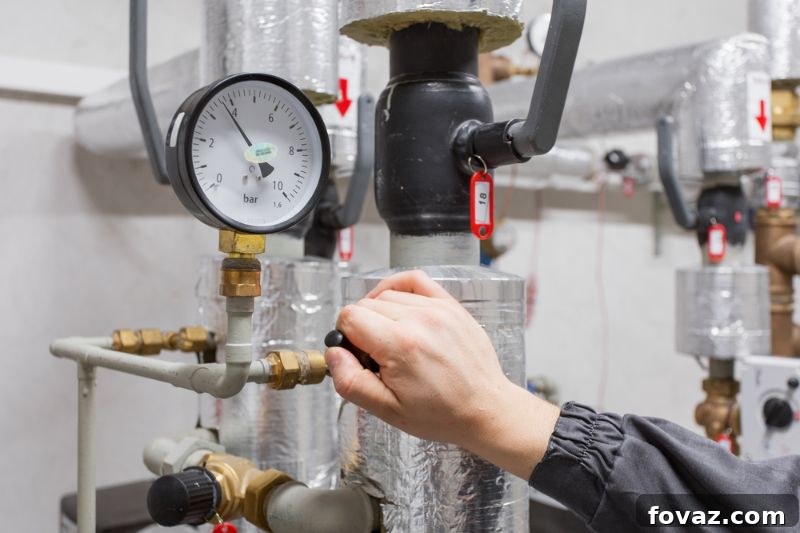
For an added layer of peace of mind and protection, consider investing in a water and gas safety valve (sometimes referred to as a leak detector or automatic shut-off valve). These advanced devices are designed to detect various issues, such as water leaks around the heater or even abnormal gas flows, and automatically shut off the relevant supply (water or gas) to prevent significant damage or hazards. While the initial investment for such a system may be higher, it can prevent catastrophic water damage, mitigate gas leaks, and ultimately save you substantial money in repair costs and unwanted expenses over the long run, offering unparalleled safety for your home.
Watch this informative video from Sears PartsDirect to learn how to safely and effectively drain your water heater tank, a crucial step for keeping your water heating system running efficiently and correctly:
Even if your water heating system is out of sight, tucked away in the basement or a utility closet, it should never be out of mind. The myth that an aging system automatically needs to be replaced when hot water supply dwindles is often untrue. More often than not, consistent hot water and prolonged system life are simply a matter of proper care through regular, diligent tune-ups and maintenance. By following these comprehensive tips, you can ensure your water heater remains a reliable and efficient workhorse for your home.
Do you have any other water heater tune-up tasks or innovative maintenance tips that you successfully complete on your own? Share your insights and favorite methods in the comments section below!
Up Next:
- 200 Home Maintenance Tips and Repair Ideas You Can DIY
- How To Winterize Your Home This Season
- 15 Fun & Easy Toilet Paper Roll Craft & Projects For Kids
Calling all crafting DIYhards, DIY Projects needs YOU! Click here if you want to write for us.
Don’t forget to stay connected with us on Facebook, Twitter, Pinterest, and Instagram!Editor’s Note: This post was originally published on January 25, 2017, updated for quality and relevancy.