
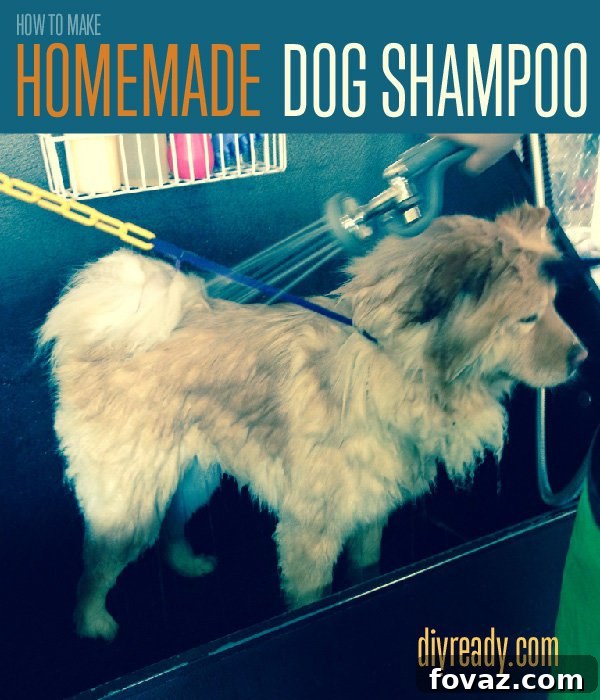
Looking for a healthier, safer, and more natural way to bathe your beloved canine companion? Your pooch (and the planet!) will thank you!
DIY Dog Shampoo: The Ultimate Guide to Natural, Chemical-Free Pet Care
Let’s face it – even the most pampered pups who rarely set a paw outside the doggy door need an occasional bath. While aisles of commercial dog shampoos promise cleanliness and a fresh scent, many are unfortunately laden with harsh chemicals that can do more harm than good to your furry friend’s sensitive skin and coat. The great news? Crafting your own homemade dog shampoo is not only surprisingly simple and inexpensive, but it also allows you to control every single ingredient, ensuring a gentle, natural, and truly effective clean.
Just like you and me, your dog’s skin is a delicate organ that can be easily irritated. Many store-bought dog shampoos contain sulfates, parabens, artificial fragrances, and synthetic dyes designed to create lather and strong scents. These chemicals can strip natural oils, leading to dry, itchy skin, allergic reactions, and a dull coat. In severe cases, they can cause eye damage or even digestive upset if ingested during grooming. Why expose your best friend to such unnecessary risks when a superior, natural alternative is just minutes away in your own home?
This comprehensive guide will walk you through everything you need to know about making your own natural dog shampoo. We’ll share a favorite, tried-and-true recipe, along with essential tips for an eco-conscious, enjoyable bathing experience. Prepare to say goodbye to chemical concerns and hello to a shiny, happy, healthy pup with a naturally clean coat!
Why Choose Homemade Dog Shampoo? Unveiling the Natural Benefits
The decision to switch from conventional commercial products to a homemade solution for your dog’s bath isn’t just a fleeting trend; it’s a conscious, beneficial choice for their overall well-being. Here’s a closer look at why making your own dog shampoo stands out:
- Eliminate Harsh Chemicals: This is arguably the most significant advantage. By using natural, food-grade ingredients, you entirely bypass the sulfates, parabens, artificial colors, and synthetic fragrances often found in commercial shampoos. This protects your dog from potential skin irritations, allergic reactions, and the cumulative effects of chemical exposure over time, which can contribute to long-term health issues.
- Gentle on Sensitive Skin and Coat: Our chosen recipe features ingredients known for their mild and beneficial properties. Natural components help to balance your dog’s skin pH, soothe existing irritations, and promote a healthy, shiny coat without stripping essential natural oils. This is particularly vital for breeds prone to skin sensitivities or those suffering from dryness or itchiness.
- Cost-Effective Grooming: You’ll be pleasantly surprised by how much money you can save in the long run. The ingredients for this homemade dog shampoo are typically common household items, making it a significantly more budget-friendly alternative to many premium commercial pet shampoos.
- Eco-Friendly Approach: Reducing your reliance on single-use plastic bottles and chemically-produced pet products contributes positively to a healthier environment. Most natural ingredients are biodegradable, making your dog’s bath a greener, more sustainable choice for your household.
- Full Ingredient Control & Customization: When you make it yourself, you know exactly what’s going into the bottle. Once you master the basic recipe, you can explore adding other natural ingredients (always cautiously and with veterinary approval for new additions) such as a small amount of colloidal oatmeal for extra soothing properties or aloe vera for healing, tailoring the shampoo to your dog’s unique needs.
- Peace of Mind: Knowing precisely what goes onto your dog’s skin and fur provides invaluable peace of mind. This allows you to focus on the joyful bonding experience of bath time, rather than worrying about potential irritants or unknown substances.
Eco-Conscious Canine Care: Green Bathing Tips for a Healthier Planet & Pet
Beyond the shampoo itself, incorporating mindful bathing practices can further enhance your dog’s comfort and significantly reduce your environmental impact. Integrating these “green” tips into your routine makes bath time better for your dog and contributes to a more sustainable lifestyle:
1. Water Wisdom: Turn Off the Tap
Once you have thoroughly wet your pup, turn the water off completely before you begin applying shampoo and lathering. This simple, yet highly effective act can save a substantial amount of water over time. Concentrate on working the shampoo deep into their coat and skin while the water is off. Only turn the water back on when you are fully prepared for the rinsing stage. This not only conserves precious water resources and reduces your utility bill but also makes the bathing process more efficient, allowing you to focus entirely on the thorough application of the shampoo.
2. Less is More: Master the Shampoo Application
Rather than dumping a large quantity of shampoo directly onto your dog, start with a modest amount. Dispense a little into your hands, dilute it slightly with water if you prefer, and then apply it evenly across a section of your dog’s fur, gently working it into a lather. Slowly add more shampoo as needed, ensuring you don’t end up using excess. This precise application prevents product waste and, more importantly, makes the rinsing process much easier and quicker. Using too much shampoo can lead to leftover residue that is difficult to rinse out, potentially irritating your dog’s skin, attracting dirt faster, and leaving their coat dull or sticky. A gentle, methodical application is key to achieving a truly clean and comfortable dog.
3. The Gentle Dry: Towel & Air Dry for Skin Health
It’s often tempting to pull out the blow dryer to speed up the drying process, especially for breeds with thick or long fur. However, the heat from a blow dryer can be detrimental to your dog’s skin, leading to dryness, irritation, hot spots, or even burns if not used carefully. Furthermore, the loud noise and sensation can be very frightening and stressful for many dogs. Instead, opt for a thorough towel-dry. Use several large, absorbent towels to gently pat and rub your dog’s fur until it’s damp, but no longer dripping. Follow up by allowing them to air dry in a warm, draft-free room. If your dog is prone to chills, you can snuggle them in a warm blanket during the air-drying process. This natural, gentle drying method is far kinder to their skin and coat, promoting overall health and typically proving to be a much less stressful experience for your beloved pet.
How to Make Your Own Homemade Dog Shampoo: Our Favorite Natural Recipe
Ready to transform your dog’s bath time into a natural, nurturing experience? We’ve selected a fantastic, easy-to-follow recipe that is both effective and gentle, utilizing readily available ingredients. Let’s gather your supplies and get started on this rewarding DIY project!
Essential Supplies You’ll Need:
- 1 Cup Warm Water: This serves as the primary base for your shampoo, helping to dilute and mix the other ingredients smoothly. Ensure the water is comfortably warm, not hot, to avoid shocking your dog’s skin during the bath.
- 1 Cup Organic Apple Cider Vinegar (ACV): A true powerhouse in natural pet care! ACV is renowned for its ability to help balance your dog’s skin pH, which can deter fleas and ticks. It’s also excellent for soothing itchy skin, reducing flakiness, and adding a beautiful, natural shine to their coat. For maximum benefits, always opt for organic, unfiltered ACV that contains “the mother.”
- 1 Cup Natural Liquid Dish Soap: This ingredient acts as your primary cleaning agent, effectively cutting through grease, dirt, and grime. The key here is to choose a truly mild, natural, unscented, and biodegradable dish soap. It is absolutely crucial to avoid harsh chemical-based or strongly fragranced options, as these can severely irritate your dog’s delicate skin and respiratory system. Look for brands often marketed as “free and clear,” or specifically for sensitive skin.
- 2 oz Vegetable Glycerine: This wonderful ingredient acts as a humectant, meaning it helps to draw moisture to the skin and hair, keeping it hydrated, soft, and supple. Glycerine effectively counteracts any potential drying effect from the soap, contributing to a healthy, moisturized, and soft coat. You can typically find vegetable glycerine in the baking aisle of most grocery stores or at health food stores.
- 1 Empty Container: A clean, empty shampoo bottle, a squeeze bottle, or even a glass mason jar with a secure, tight-fitting lid works perfectly for storing your homemade shampoo. Remember to thoroughly clean and sanitize your chosen container before use to prevent any contamination.
Step-by-Step Guide to Mixing Your Natural Dog Shampoo
Step 1: Combine the Ingredients with Care
This part of the process is incredibly straightforward and quick! Carefully pour all of your measured ingredients into your chosen empty container. We recommend starting with the natural liquid dish soap, then adding the organic apple cider vinegar, followed by the warm water, and finally, the vegetable glycerine. Once all components are in the bottle, secure the lid tightly. Then, gently shake the container for approximately 30 seconds. The goal is to ensure all the ingredients are thoroughly mixed and well-integrated without creating excessive foam. You’re aiming for a homogenous solution, not a bottle full of bubbles!
Step 2: The Bathing Ritual – Making It a Positive and Calming Experience
Now for the most rewarding part: bath time with your beloved companion! To ensure this experience is as enjoyable and stress-free as possible for both of you, a little pre-bath preparation goes a long way.
Pre-Bath Preparation for a Smooth Experience:
- Brush Your Dog Thoroughly: Always start with a good brushing session before introducing water. This helps to remove any loose fur, tangles, and existing mats. Brushing prevents mats from tightening further when wet and allows the shampoo to penetrate the coat more effectively, leading to a deeper clean.
- Gather All Supplies: Have your freshly made homemade shampoo, a stack of clean, absorbent towels, a few of your dog’s favorite treats, and any other grooming tools (such as a comb for long-haired dogs or ear cleaning solution) conveniently within arm’s reach. This prevents frantic searching mid-bath.
- Protect Ears and Eyes: Gently place cotton balls loosely in your dog’s ears to help prevent water from entering, which can lead to uncomfortable ear infections. For eye protection, be extra cautious when washing around their facial area, or consider using a designated tearless facial cleanser.
- Ensure Safety and Comfort: If you’re bathing your dog in a bathtub, place a non-slip mat at the bottom to prevent slips and falls, making them feel more secure. If bathing outdoors, ensure the area is secure, free from distractions, and has a comfortable temperature.
The Washing Process: Step-by-Step for a Sparkling Clean Pup:
- Wet Your Dog Thoroughly: Begin by gently wetting your dog from the neck down to the tail using lukewarm water. Ensure their entire coat is saturated down to the skin. Pay close attention to the water temperature—it should be comfortably warm, never too hot or too cold, to ensure their comfort.
- Apply Shampoo Sparingly: Following our “less is more” tip, apply a small amount of your homemade shampoo. Start at their neck and work your way down their body, taking care to avoid direct application to their face and eyes.
- Lather and Massage Gently: Use your fingertips to gently massage the shampoo deep into their fur and onto their skin. This not only cleans effectively but also stimulates circulation and provides a soothing massage, which most dogs enjoy. Pay special attention to commonly dirty areas such as their paws, belly, and under the tail. Throughout this step, be extremely careful to avoid getting shampoo in their eyes, nose, or mouth.
- Rinse, Rinse, Rinse Thoroughly! This is perhaps the most crucial step in preventing skin irritation. Rinse your dog thoroughly and painstakingly until all traces of shampoo are completely gone. Any residue left behind can cause itching, flakiness, dryness, and attract dirt more quickly. Rinse from head to tail, gently lifting folds of skin and ensuring that the water runs absolutely clear. A good rule of thumb is to rinse until you think you’re done, then rinse for another full minute to be certain.
Heads Up! The Infamous Dog Shake: Prepare yourself! At virtually any point during the wetting or rinsing experience, your dog may decide to vigorously shake off, sending water (and potentially suds!) flying in all directions. It’s a natural, instinctive behavior, so be ready to dodge, step back, or simply embrace the glorious splash. Consider it part of the fun – you’ve been warned!
Post-Bath Care: Ensuring Comfort and Quick Drying:
- Immediate Towel Dry: Immediately after rinsing, allow your dog to have a good shake-off (they’ll do it anyway!), then quickly wrap them in a large, clean, and absorbent towel. Gently rub and pat their fur dry, removing as much moisture as possible.
- Air Dry in a Warm Spot: Allow your dog to finish air-drying in a warm, draft-free room to prevent them from getting a chill. You can use a second, dry towel for further gentle rubbing to speed up the process.
- Reward and Praise: Always finish the bathing experience with abundant praise, soothing cuddles, and perhaps a special, high-value treat. This positive reinforcement is crucial and will make future bath times much easier and more pleasant for your dog.
How Often Should You Bathe Your Dog? Finding the Right Frequency
The ideal frequency for bathing your dog is not a one-size-fits-all answer; it depends on several factors, including your dog’s breed, their specific coat type, their activity level, and any underlying skin conditions they might have. For most dogs, a bath every 1-3 months is generally sufficient to keep them clean without stripping their natural skin oils. Dogs with naturally oily coats, those who spend a lot of time outdoors rolling in dirt, or those with specific skin issues (as advised by a vet) might require more frequent baths, perhaps every 2-4 weeks.
However, it’s important to avoid over-bathing, as this can strip the natural oils that protect your dog’s skin and coat, leading to dryness, irritation, flakiness, and even increased susceptibility to skin infections. Always observe your dog’s skin and coat condition. If you notice excessive dryness, flakiness, itching, or an unpleasant odor that persists despite regular bathing, it could indicate an underlying issue or simply a need to adjust your bathing frequency or the type of shampoo you’re using. When in doubt, always consult your veterinarian for personalized advice.
Important Considerations & Frequently Asked Questions (FAQs) for Homemade Dog Shampoo
Can I use human shampoo on my dog?
No, it is strongly advised against using human shampoo on dogs. Human skin and dog skin have significantly different pH levels. Human shampoos are typically formulated to be more acidic, which can severely disrupt your dog’s skin’s natural protective barrier. This disruption can lead to dryness, irritation, itching, and increased susceptibility to bacterial or fungal infections.
What if my dog has very sensitive skin or known allergies?
While this homemade recipe is designed to be gentle and uses natural ingredients, if your dog has extremely sensitive skin, known allergies, or a history of dermatological issues, it is always best to consult your veterinarian before introducing any new product, even a natural one. You can also perform a simple patch test: apply a very small amount of the shampoo to a discreet area of skin (such as the inside of their leg or belly) and wait 24-48 hours to check for any adverse reactions like redness, itching, or swelling before proceeding with a full bath.
Can I add essential oils to my homemade dog shampoo?
Exercise extreme caution and research thoroughly when considering essential oils for your dog. Many essential oils are toxic to pets, even in small, diluted amounts, and can cause adverse reactions if ingested, absorbed through the skin, or inhaled. Always consult with a holistic veterinarian or a certified aromatherapist specializing in animal care before using any essential oils. If you do use them, ensure they are highly diluted (typically less than 1%) and verified as dog-safe (e.g., specific types of lavender or frankincense, *in extremely low concentrations*), and always avoid applying them near their face, eyes, or mucous membranes.
How should I store my homemade dog shampoo, and how long does it last?
Store your homemade dog shampoo in a clean, airtight container in a cool, dark place away from direct sunlight. Because this recipe contains natural ingredients and no harsh synthetic preservatives, its shelf life is shorter than commercial shampoos. It’s generally best to use it within 2-4 weeks to ensure optimal freshness, potency, and safety. If you notice any changes in smell, color, consistency, or if any signs of mold appear, it’s time to discard it immediately and prepare a fresh batch.
Conclusion: Embrace a Natural Approach to Pet Grooming
Making your own homemade dog shampoo is a simple yet incredibly impactful way to prioritize your pet’s health, comfort, and overall well-being. By thoughtfully choosing natural, gentle ingredients, you protect your furry friend from potentially harmful chemicals often found in commercial products, promote a healthy and lustrous coat, and nurture their sensitive skin. This DIY approach not only offers significant cost savings but also contributes to a more sustainable, eco-friendly lifestyle. More importantly, it strengthens the special bond you share through a hands-on, caring, and natural grooming experience.
We’re thrilled to share this comprehensive recipe and hope it brings you and your precious pup many happy, sudsy, and stress-free moments. Now it’s your turn! How did this natural homemade dog shampoo recipe work for your beloved canine companion? Do you have your own tried-and-true homemade dog shampoo recipe or perhaps some additional eco-friendly grooming tips to share? Please share your valuable thoughts, experiences, and ingenious ideas in the comments section below!