
DIY Furniture Ideas: Crafting Your Dream Living Space
Unlocking the Potential of New Furnishings: 5 Essential Considerations
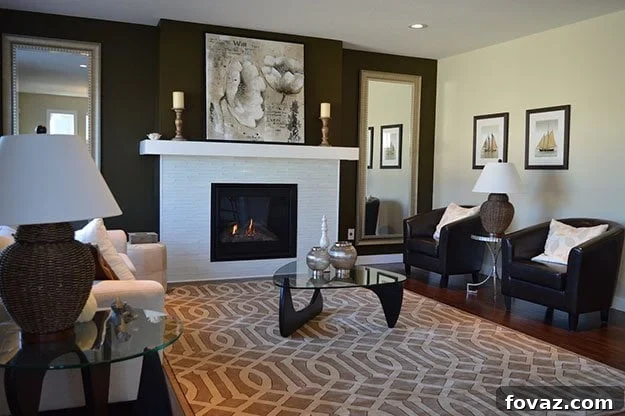
Furnishings are much more than mere functional objects; they are the heart and soul of your home, defining its character and influencing your daily mood. Each piece of furniture, whether a grand sofa or a quaint side table, holds the power to shape its surroundings, contributing to the overall aesthetic and emotional atmosphere of a room. Approaching furniture selection and placement with a strategic mindset is a form of DIY interior design, allowing you to curate a space that truly reflects your personality and lifestyle.
It might seem counterintuitive to think about “improving” new furniture. After all, a brand-new item should ideally be in pristine condition. However, the true potential of any furniture piece, even one fresh out of its box, can be elevated through thoughtful consideration and strategic integration. You don’t need to overdo the polishing or resort to dark colors to camouflage inevitable wear. Instead, you can transform ordinary pieces into extraordinary gems simply by making conscious choices about their placement, orientation, size, color, and how they interact with other elements in your home. This guide will walk you through essential considerations to help you achieve a flawless and harmonious living environment.
SEE ALSO: 5 DIY Ideas for a Peaceful Bedroom
1. Visualize Your Dream Space: The Blueprint for Success
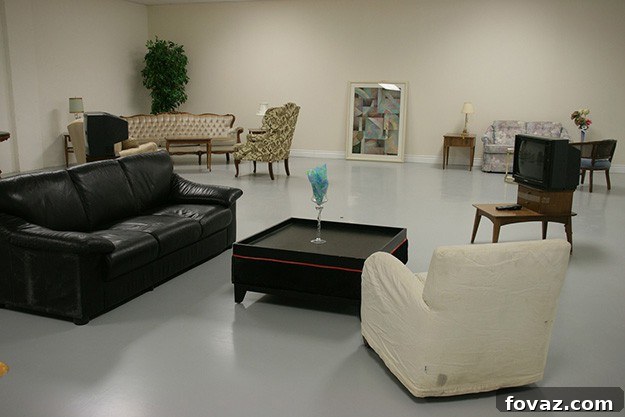
The initial and most crucial step in furnishing any space is to vividly visualize your ultimate dream environment. This mental blueprint is the key to achieving truly flawless results with your new furnishings. Before even browsing furniture catalogs or visiting stores, take the time to truly understand your space. Consider the precise dimensions of empty areas, the proximity to doors and windows, and how natural light floods the room at different times of the day. Think about how you intend to use each area: a cozy reading nook, a vibrant dining zone, an engaging play area for children, or a dedicated entertainment hub. Each of these “themed areas” demands a specific organizational approach to enhance its unique ambiance and functionality.
Beyond mere function, consider the overall mood and aesthetic you wish to evoke. Do you envision a minimalist sanctuary, a rustic retreat, a modern industrial loft, or a bohemian haven? Creating a mood board can be incredibly helpful here, incorporating colors, textures, inspirational images, and potential furniture styles. This proactive approach ensures that every piece you select contributes cohesively to your overarching vision. My personal tip: embark on home renovation or significant redecoration only when you have a crystal-clear picture of what the final space should look like. Knowing your expectations precisely will guide your choices, making the selection of the right furniture not just easier, but also far more enjoyable and rewarding.
2. Master Your Layout: The Power of a Floor Plan Sketch
Once your vision is clear, translate it into a tangible plan by sketching out the entire house, focusing on the exact spots where you intend to place your new furniture. This isn’t just a creative exercise; it’s a practical tool that serves multiple purposes. Firstly, it allows you to refine your initial arrangement ideas, identifying potential traffic flow issues or underutilized corners before any heavy lifting begins. Secondly, this detailed sketch can be invaluable if you’re enlisting a moving crew, enabling them to place furniture precisely according to your plan, saving time and preventing potential damage.
Your sketch should include all critical measurements: the length and width of each room, the positions of doors and windows, electrical outlets, heating vents, and any permanent fixtures like fireplaces or built-in shelving. Mark out specific zones, such as the dining area, the lounge area, or a study corner. When all these details are clearly laid out, you can better visualize how different furniture pieces will interact with the space. For example, you might opt for dining chairs with thin metal frames near a main window to allow natural sunlight to permeate the room, keeping the space bright and airy. Conversely, a large, solid wooden credenza placed strategically could help anchor a larger wall and distribute light more evenly, especially if paired with a reflective surface above it. Don’t forget to account for walking paths and comfortable spacing around furniture to ensure seamless movement throughout the room.
3. Optimize Your Space: Scale, Proportion, and Functionality
The size and configuration of your space will profoundly influence the furniture you select. While the common wisdom suggests that smaller spaces necessitate smaller furniture, this isn’t always the case, and exceptions can lead to incredibly compelling design statements. Sometimes, centering a compact room around one thoughtfully chosen large piece of furniture – like a grand sectional sofa or an oversized art piece – can create a bold, visually appealing focal point that actually makes the room feel more intentional and less cluttered. This approach leverages scale to make a statement rather than shrinking everything to fit.
Conversely, even large rooms can feel overwhelming or disjointed if furniture isn’t scaled correctly. Consider the proportion of each item relative to the room and other furnishings. Multi-functional furniture, such as ottomans with storage, sofa beds, or extendable dining tables, can be game-changers for maximizing utility without sacrificing style. Vertical storage solutions like tall bookshelves or wall-mounted shelving units draw the eye upwards, creating an illusion of height and keeping floor space clear. Mirrors are another classic DIY interior design trick: strategically placed, they can reflect light and views, making a room feel significantly larger and brighter. Always strive for a balance where every piece serves a purpose, fits proportionally, and contributes to the overall openness and flow of your home.
4. Harmonize with Color and Texture: The Sensory Experience
Color and texture are powerful tools in furniture selection, capable of transforming the sensory experience of a room. Colors evoke emotions and set the mood; warm tones like reds and oranges can create an inviting, energetic atmosphere, while cool tones such as blues and greens foster tranquility and serenity. Consider the existing color palette of your walls, flooring, and decorative accents. Your new furniture should either complement these hues or offer a thoughtful contrast that adds visual interest without clashing. Accent colors, introduced through cushions, throws, or smaller furniture pieces, can inject vibrancy and personality.
Texture, often overlooked, adds depth and richness to a space. Imagine the contrast between a sleek, modern glass coffee table and a plush, velvet armchair, or the rustic charm of reclaimed wood against the coolness of polished metal. Incorporating a variety of textures – soft fabrics, smooth leathers, rough woods, shiny metals, and woven materials – prevents a room from feeling flat or one-dimensional. Think about how these textures feel to the touch and how they absorb or reflect light. A thoughtful blend of colors and textures creates layers of visual and tactile interest, making your furnished space feel inviting, dynamic, and uniquely tailored to your preferences.
5. Personalize with DIY Touches: Infusing Your Identity
This is where the true spirit of “DIY Furniture Ideas” comes alive. Beyond selecting and arranging, personalizing your furnishings with DIY touches is the ultimate way to infuse your unique identity into your living space. A brand-new piece of furniture can become distinctly yours with a simple upgrade. Consider painting a dresser a bold new color, replacing standard hardware with vintage knobs, or stenciling a pattern onto a plain tabletop. These small, creative acts not only customize your furniture but also reflect your personal style and craftsmanship.
Even existing pieces can be given a new lease on life. Upholstering an old chair with a vibrant fabric, adding custom shelving inside a cabinet, or creating a unique decorative top for a console table are all fantastic DIY projects. These personalized touches often become conversation starters and cherished elements of your home, telling a story that off-the-shelf items simply cannot. Embracing DIY personalization means viewing your furniture not just as static objects, but as canvases waiting for your creative expression, turning your house into a truly one-of-a-kind home filled with character and warmth.
We hope these expanded DIY furniture ideas provide valuable insights for transforming your living space. Thoughtful planning, strategic placement, and personalized touches are key to creating a home that is both functional and beautifully reflective of you.
Love these DIY ideas? Let us know in the comments below! We thrive on getting your feedback; it helps us continuously improve our content and select topics that resonate most with our community. We’d love to hear from you and foster a vibrant community of DIY enthusiasts where inspiration and project ideas are always just a click away. Stay connected with us on Facebook, Twitter, Pinterestand Instagram!
Love our post on DIY furniture ideas? You’ll also love…
9 DIY Rabbit Hutch Ideas Using Upcycled Furniture
How to Restore Furniture [INFOGRAPHIC]
How to Paint Furniture Shabby Chic
Article by Ella A. on behalf of Removal Services Collier Wood.